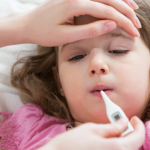

Every parent has experienced it.
Your child wakes up with a fever, develops a cough, complains about a sore throat, or mentions a painful tooth. Suddenly, you are faced with a difficult decision:
Should you monitor the situation at home, or is it time to seek professional advice?
While many childhood illnesses and minor concerns improve on their own, parents are often unsure where to draw the line. Knowing when it may be appropriate to seek medical or dental advice can help provide reassurance and support informed decision-making.
Common Childhood Symptoms Parents Often Worry About
Fever
A fever is one of the most common reasons children are taken to healthcare professionals.
Many fevers are associated with common infections and may improve as the body recovers. However, ongoing symptoms, worsening symptoms or symptoms that cause concern are worth discussing with a healthcare professional.
A Persistent Cough
Most coughs improve with time.
However, coughing that appears to persist longer than expected, becomes worse, affects sleep or interferes with daily activities may warrant professional advice.
Ear Pain
Ear discomfort can affect sleep, concentration and eating habits.
If symptoms continue, worsen or repeatedly occur, it may be helpful to discuss them with a healthcare professional.
Tooth Pain
Dental concerns should not be overlooked simply because they involve children’s teeth.
Pain, sensitivity, swollen gums or discomfort while eating can all affect a child’s comfort and wellbeing.
Why Routine Check-Ups Matter
Many parents only visit a doctor or dentist when a child is unwell.
Routine check-ups provide an opportunity to:
- Discuss development and wellbeing
- Address concerns early
- Ask questions about growth and health
- Encourage positive healthcare habits
Routine dental visits can also help monitor oral health and support healthy habits as children grow.
Questions Parents Often Ask
Does every fever require medical attention?
Not necessarily. Many childhood fevers improve over time. If symptoms persist, worsen or cause concern, professional medical advice may be appropriate.
What about a lingering cough?
If symptoms do not improve, become worse or continue to affect your child, a healthcare assessment may be valuable.
Should children visit a dentist even if they have no pain?
Routine dental assessments help monitor oral health and identify concerns before they become more significant.
What if I am simply unsure?
Many parents seek advice because they want reassurance or clarity. Speaking to a healthcare professional can help guide next steps.
The Bottom Line
Healthcare decisions are not always clear-cut.
If you are uncertain about your child’s symptoms, wellbeing or oral health, discussing your concerns with an appropriately qualified healthcare professional can help you make informed decisions. Book an appointment online.
Disclaimer
This article is intended for educational purposes only and should not be considered medical advice. It does not replace consultation, diagnosis or treatment by a qualified healthcare professional. If your child is experiencing severe symptoms, requires urgent medical assistance or you have concerns about their condition, seek appropriate medical care immediately.