Cardiovascular and respiratory rehabilitation
When your heart or lungs are not working at their best, everyday tasks can feel overwhelming. Climbing a few stairs, having a shower or walking to the car may leave you breathless and anxious. Cardio and respiratory rehabilitation offers a safe and structured way to regain strength, improve breathing and rebuild confidence after a cardiac event or chronic lung condition.
International research shows that cardiac rehabilitation reduces the risk of future heart events and enhances quality of life by combining tailored exercise, lifestyle education, and emotional support. Similarly, pulmonary rehabilitation helps people with long-term lung conditions to breathe more easily, exercise more, and regain control of their daily lives.
At Intercare, cardio and respiratory rehabilitation form part of a broader physical rehabilitation approach that focuses on restoring function, independence, and well-being after illness, injury, or surgery.
Who can benefit from cardio and respiratory rehabilitation
You may be referred to a cardiac or respiratory rehabilitation programme if you have:
- A recent heart attack, angina, coronary artery disease or heart failure.
- Heart surgery or procedures such as bypass surgery, valve surgery or stent placement.
- Chronic lung conditions such as chronic obstructive pulmonary disease, asthma, interstitial lung disease, bronchiectasis or pulmonary hypertension.
- Recovery needs after severe pneumonia, COVID-related lung injury or prolonged time in intensive care.
You may also benefit if you live with breathlessness, fatigue or reduced exercise tolerance and want a supervised environment to increase your activity safely. Programmes are typically designed for adults of varying ages and fitness levels, with intensity carefully tailored to your medical history and current ability.
What to expect from a supervised rehabilitation programme
A cardiorespiratory rehabilitation programme is run by an interdisciplinary team that may include doctors, physiotherapists, biokineticists, occupational therapists, nurses, dietitians, and psychologists.
Typical components include:
- Individual assessment
Your team reviews your medical history, current medications, test results and personal goals. They may perform walking tests, heart monitoring and lung function assessments to plan a safe starting point. - Supervised exercise
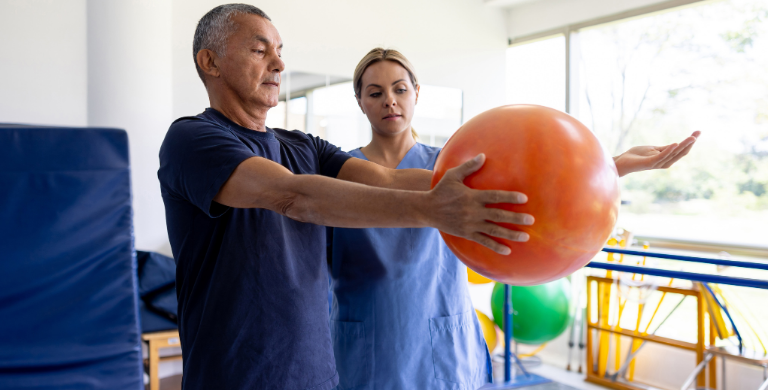
Sessions usually combine walking or cycling, strength and balance exercises and specific breathing techniques. Exercise is progressed slowly so that you become fitter without overloading your heart or lungs. - Breathing training and airway clearance
You learn positions, breathing patterns and, where appropriate, devices or techniques that help clear mucus and reduce the feeling of breathlessness. - Education and self-management
The team provides practical information on medication, warning signs, energy-saving strategies, returning to work, driving, travel, and adapting your routine at home. Family members are often encouraged to join these sessions. - Lifestyle and emotional support
Many people feel anxious or low in mood after a heart event or during long-term lung illness. Rehabilitation offers support with stress management, sleep habits, smoking cessation, nutrition, and weight management, so you can build sustainable, heart- and lung-friendly routines.
Throughout the programme, your progress is monitored, and your exercises are adjusted as you become stronger and more confident.
On-Demand Webinars
How Intercare supports your recovery journey
Intercare physical rehabilitation hospitals in South Africa provide structured inpatient and outpatient rehabilitation for people with complex medical and functional needs, including those recovering from cardiac events and pulmonary conditions.
Your cardio and respiratory rehabilitation at Intercare may include:
- A personalised plan that focuses on your specific heart or lung condition, other medical diagnoses and personal recovery goals.
- Close collaboration between your physician, rehabilitation doctor and therapy team to ensure that treatment is medically safe and aligned.
- Education tailored to the South African context, including local risk factors such as smoking, inactivity, high blood pressure, diabetes and stress at home or work.
- Support for your family or caregivers so that they understand your limitations and can encourage you without pushing too hard.
By the time you complete the programme, the goal is that you will:
- Walk further with less breathlessness.
- Feel more in control of your condition and know how to respond when symptoms flare up.
- Have a clear home exercise routine and follow-up plan.
Rehabilitation is not a quick fix. It is an investment in your future health and independence, and many people describe it as the turning point that helped them move from fear and limitation back to a more active, hopeful life.
Taking the next step
If you think you or a loved one may benefit from cardiorespiratory rehabilitation, speak with your doctor or specialist. They can help you understand whether you meet the criteria, what to bring, how long you might stay and what costs may be involved.
You do not have to navigate heart or lung illness on your own. The right support, at the right time, can make daily life feel manageable again and open the door to activities you may have thought were lost. Book a consultation online to discuss whether cardio and respiratory rehabilitation is suitable for you or a family member.
Fostering recovery and restoring health
The four sub-acute rehabilitation hospitals feature 36 to 52 beds, ensuring personalised attention and an intimate healing environment. Here, patients work towards regaining their strength, mobility, and independence under our multidisciplinary team of experienced professionals, including general medical practitioners, case managers, physiatrists, nurses, physiotherapists, occupational therapists, speech therapists, psychologists, dieticians and social workers. They all work together to create comprehensive, customised treatment plans.
Recover in an environment that offers best-practice care, facilities and comfort.