
Understanding Tooth Fillings
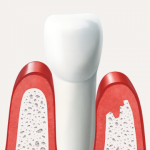
A tooth filling is a basic dental procedure used to repair a tooth that has been damaged by decay. When bacteria in the mouth break down the tooth surface, small holes, known as cavities, begin to form. A filling is used to restore the damaged part of the tooth and prevent further decay.
In simple terms, a tooth filling replaces the part of the tooth that has been “eaten away” by decay, helping the tooth function normally again.
Why Do Cavities Form?
Cavities develop when plaque builds up on the teeth. Plaque is a sticky film made up of bacteria, food particles, and saliva. When we eat sugary or starchy foods, bacteria in plaque produce acids that slowly damage the tooth enamel.
Over time, this acid erosion creates small holes in the tooth surface. If left untreated, these holes become larger and can affect deeper layers of the tooth.
What Is a Tooth Filling Used For?
A tooth filling is used to:
- Stop tooth decay from progressing
- Restore the shape and function of a damaged tooth
- Prevent bacteria from entering deeper layers of the tooth
- Reduce sensitivity or discomfort caused by cavities
Fillings are one of the most common dental treatments and are typically quick and straightforward.
Types of Tooth Fillings
There are several types of materials used for fillings, depending on the tooth and its location:
- Composite fillings (tooth-coloured): These are the most commonly used today because they blend naturally with your teeth.
- Amalgam fillings: A strong and durable option often used for back teeth where pressure from chewing is higher.
- Ceramic fillings: A more aesthetic option that is resistant to staining and long-lasting.
- Glass ionomer fillings: Often used in smaller cavities or areas below the gum line, and can release fluoride over time.
Your dentist will recommend the most suitable option based on the size of the cavity, tooth location, and your individual needs.
What Happens During a Tooth Filling?
A tooth filling is usually completed in a single dental visit:
- The dentist examines the tooth and may take an X-ray to assess the extent of decay.
- Local anaesthetic may be used to numb the area.
- The decayed part of the tooth is removed carefully.
- The tooth is cleaned to remove bacteria and debris.
- The filling material is placed and shaped to match the natural tooth.
- The filling is hardened and polished for a smooth finish.
After the procedure, most people can return to normal activities the same day.
Does a Tooth Filling Hurt?
Modern dental techniques make tooth fillings a comfortable procedure for most patients. Local anaesthetic is typically used to prevent pain during treatment. After the procedure, some mild sensitivity may occur, but this usually resolves within a few days. If you are afraid of the dentist, some Intercare Dental Centres offer conscious sedation.
Learn More: Intercare Dental Centres
Why Early Treatment Matters
Delaying treatment for a cavity can lead to more serious dental problems. A small cavity that could have been treated with a simple filling may eventually require more complex procedures such as a root canal or even extraction.
Early treatment is not only easier but also helps preserve more of your natural tooth structure. Read Now: What is preventative dentistry? Your guide to oral health
How to Prevent Cavities
Good oral hygiene plays a key role in preventing tooth decay:
- Brush twice daily with fluoride toothpaste
- Floss daily to remove plaque between teeth
- Reduce sugary snacks and drinks
- Visit your dentist regularly for check-ups and cleaning
When to See a Dentist
You should see a dentist if you notice:
- Tooth sensitivity. Read Now: Toothache: Symptoms, causes and treatments
- Pain when chewing
- Visible holes or dark spots on teeth
- Food getting trapped between teeth
Even without symptoms, regular dental check-ups are important to detect early decay before it worsens.
Read Now: Familiarise yourself with the key signs that indicate you may need a tooth filling.
Conclusion
A tooth filling is a simple, effective way to treat cavities and protect your oral health. By understanding what it is and seeking treatment early, you can prevent more serious dental issues in the future.
If you are experiencing symptoms of tooth decay or are due for a check-up, consider visiting an Intercare dental centre for professional assessment and care.